

 18 Nov, 2026
HMO Property Refurbishment and Renovation
Houses in Multiple Occupation (HMOs) can offer property owners an opportunity to make better use of their available space while providing suitable accommodation for multiple tenants. However, maintaining an HMO requires careful planning, regular upkeep and a property layout that meets the needs of its occupants.
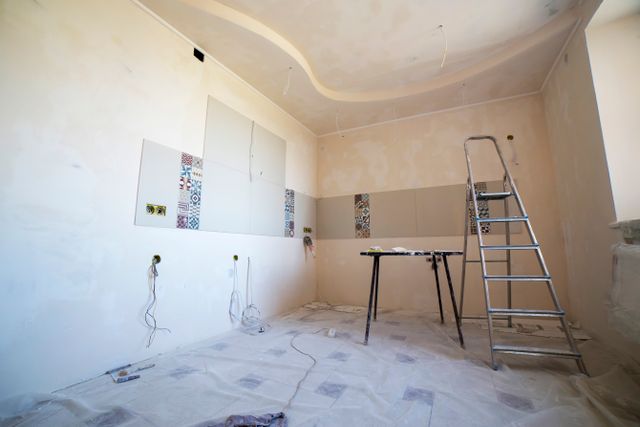
HMO property refurbishment and renovation can help landlords improve the condition, functionality and overall appeal of their properties. From upgrading shared kitchens and bathrooms to improving fire safety arrangements and creating practical living spaces, a well-planned refurbishment can make a significant difference.
For landlords considering improvements to their rental properties, working with experienced property professionals can help make the process more manageable. A specialist in HMO Property Management in London can also provide guidance on property maintenance, tenant requirements and ongoing management considerations.
Why Is HMO Property Refurbishment Important?
HMO properties often experience greater day-to-day use than conventional single-family rental homes. Shared kitchens, bathrooms, hallways and communal areas may require more frequent maintenance because several occupants use these facilities.
Over time, outdated interiors, worn fixtures and inefficient layouts can affect the property's overall condition and tenant experience.
A refurbishment project can help address these issues by:
Improving the condition of bedrooms and communal areas.
Updating kitchens and bathrooms.
Replacing worn flooring, fixtures and fittings.
Improving ventilation and lighting.
Addressing maintenance and repair concerns.
Reviewing fire safety and other relevant compliance requirements.
Making better use of available space.
For London landlords, these improvements can help maintain a property that remains practical, attractive and suitable for its intended rental use.
Essential Areas to Consider During an HMO Renovation
A successful HMO renovation involves more than simply refreshing the property's appearance. Each area should be assessed according to its function, condition and relevant legal requirements.
1. Bedroom Refurbishment
Bedrooms are important private spaces for HMO tenants. Each room should provide suitable accommodation, with appropriate space, lighting, ventilation and furnishings where required.
During refurbishment, landlords may consider:
Replacing damaged flooring.
Updating wall finishes and decoration.
Improving lighting arrangements.
Installing suitable storage solutions.
Checking electrical installations.
Reviewing room sizes and permitted occupancy requirements.
Any changes to room layouts or occupancy arrangements should be assessed against applicable housing standards and local licensing conditions.
2. Kitchen Renovation and Upgrades
The kitchen is one of the most frequently used shared spaces in an HMO. A practical design can make everyday activities more convenient for residents.
Common improvements include:
Installing durable kitchen worktops.
Replacing outdated cabinets.
Improving storage capacity.
Updating appliances where necessary.
Improving ventilation.
Providing suitable cooking and food preparation facilities.
Landlords should also check the applicable requirements for kitchen facilities, food preparation areas and shared accommodation.
3. Bathroom Refurbishment
Shared bathrooms require particular attention because they experience regular use. Poor ventilation, damaged fittings and plumbing problems can quickly affect the condition of the property.
A bathroom renovation may include new sanitary fittings, improved ventilation, updated tiling, better lighting and repairs to plumbing systems.
The design should prioritise durability, hygiene and ease of maintenance while taking account of the number of occupants and applicable housing standards.
4. Communal Areas and Shared Living Spaces
Communal areas contribute to the overall living experience of HMO tenants. Hallways, lounges and dining spaces should be practical, comfortable and maintained in good condition.
Refurbishment opportunities may include:
Improving lighting in shared areas.
Replacing worn carpets and flooring.
Updating furniture and decoration.
Creating practical communal seating arrangements.
Improving access and circulation.
Any alterations to escape routes, doors or internal layouts should be checked against relevant fire safety and building requirements before work begins.
Understanding HMO Regulations Before Starting Renovation Work
HMO refurbishment projects should be planned with legal compliance in mind. A property that looks modern and attractive may still fall short of the standards required for lawful occupation.
In England, the Housing Act 2004 establishes the framework for HMO licensing and housing standards. Mandatory licensing generally applies to HMOs occupied by five or more people forming two or more households who share facilities, although additional licensing schemes may apply in particular local authority areas.
Before refurbishment begins, landlords should consider the following areas.
HMO Licensing Requirements
Landlords should establish whether the property requires a mandatory or additional HMO licence. Local authorities may also operate selective licensing schemes for certain rented properties.
Licence conditions can include requirements relating to room sizes, facilities, fire precautions and property management.
Fire Safety Requirements
Fire safety is an essential consideration when renovating an HMO. Depending on the property's layout and circumstances, improvements may involve suitable fire detection systems, fire doors, emergency escape arrangements and appropriate fire-resistant construction.
A competent fire risk assessment should identify relevant hazards and necessary precautions. Landlords should ensure that any work is designed and carried out in accordance with applicable fire safety legislation and guidance.
Electrical and Gas Safety
Electrical installations should be inspected and maintained by appropriately qualified professionals. Landlords must comply with applicable electrical safety requirements, including the Electrical Safety Standards in the Private Rented Sector (England) Regulations 2020 where relevant.
Gas appliances and associated installations must also be maintained and checked in accordance with the Gas Safety (Installation and Use) Regulations 1998.
Building Regulations and Planning Permission
Certain refurbishment projects may require building regulations approval, planning permission or both.
Structural alterations, significant changes to the property's layout, extensions and certain conversions may trigger additional requirements.
Landlords should obtain the necessary advice and approvals before starting work rather than assuming that all internal renovation work is automatically exempt.
How an HMO Letting Agent Can Support Property Owners
Refurbishment is only one part of operating a successful HMO. Once the work is complete, landlords must also consider tenant management, maintenance arrangements and ongoing legal responsibilities.
An experienced HMO letting agent can help property owners with aspects of the letting process, including marketing rooms, coordinating viewings, handling tenant enquiries and supporting tenancy administration.
Depending on the agreed service, an agent may also assist with:
Advertising available rooms.
Arranging tenant referencing.
Coordinating tenancy documentation.
Managing maintenance requests.
Organising property inspections.
Supporting communication between landlords and tenants.
Landlords should carefully review an agent's management agreement to understand which responsibilities are included and which remain with the property owner.
Choosing the Right Refurbishment Approach
Every HMO property has different requirements. The most suitable renovation approach depends on the property's age, current condition, layout, intended occupancy and available budget.
A structured approach can help landlords avoid unnecessary expenses and reduce the risk of delays.
Carry Out a Property Assessment
The first step is to assess the property's existing condition. This should include checking structural elements, plumbing, electrical installations, heating, ventilation and communal facilities.
Where necessary, qualified surveyors and relevant specialists can provide professional assessments.
Establish a Realistic Budget
Landlords should prepare a detailed refurbishment budget covering materials, labour, professional fees, approvals and potential unexpected repairs.
A contingency allowance can also help manage unforeseen issues that arise during construction.
Prioritise Essential Improvements
Safety-related repairs and legal compliance should take priority over cosmetic upgrades.
Once essential requirements have been addressed, landlords can consider improvements that enhance functionality, durability and the overall appearance of the property.
Work With Qualified Professionals
Refurbishment work should be completed by suitably competent and qualified contractors. Depending on the project, this may include electricians, plumbers, builders, heating engineers and fire safety specialists.
Landlords should also ensure that appropriate contracts, insurance arrangements and approvals are in place before work begins.
How HMO Refurbishment Can Improve Long-Term Property Management
A well-maintained HMO can be easier to manage because essential facilities are less likely to develop avoidable problems when properly maintained.
Durable materials, practical layouts and suitable fittings can also help reduce routine maintenance demands.
For landlords using HMO Property Management in London, refurbishment planning can form part of a wider property maintenance strategy.
Regular inspections, prompt repairs and appropriate communication with tenants can help identify problems before they become more disruptive or expensive.
However, refurbishment alone cannot guarantee higher rental income, full occupancy or reduced maintenance costs. These outcomes depend on several factors, including location, market conditions, property standards and the quality of ongoing management.
Common Mistakes Landlords Should Avoid
HMO renovation projects can become more complicated when important considerations are overlooked.
Some common mistakes include:
Starting work without checking licensing requirements.
Overlooking fire safety arrangements.
Making structural changes without obtaining necessary approvals.
Choosing materials that are unsuitable for frequent use.
Failing to consider the needs of multiple occupants.
Underestimating labour and material costs.
Using contractors without checking their qualifications and insurance.
Ignoring ongoing maintenance requirements.
Careful preparation and professional advice can help landlords reduce these risks and make better-informed decisions.
Final Thoughts
HMO property refurbishment and renovation can play an important role in maintaining safe, functional and attractive rental accommodation. From bedroom improvements and kitchen upgrades to fire safety considerations and compliance checks, every part of the project should be approached with careful planning.
London landlords should consider both the immediate refurbishment requirements and the long-term responsibilities associated with operating an HMO.
By working with competent contractors and experienced property professionals, property owners can make informed decisions about improving their investments while ensuring that relevant legal obligations remain a priority.